
Quick answer: Professional certifications and online courses in Malaysia are increasingly used by employers as proof of practical, job-ready skills, especially in fields like IT, data, digital marketing, project management and finance. They do not replace degrees, but they help you change careers, keep up with new tools and stand out when you show them clearly on your CV and LinkedIn.
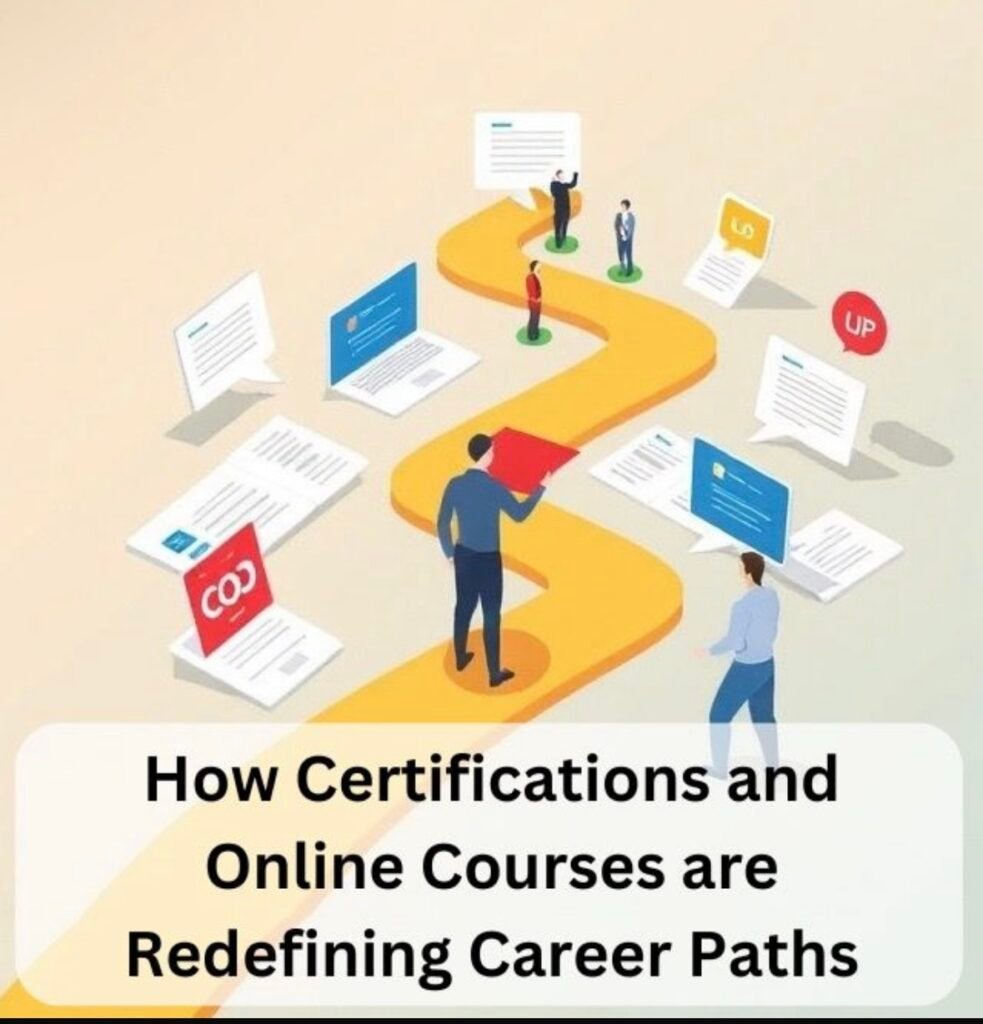
For a long time, a degree was the main way to prove you could do a job. Today, professional certifications and online courses in Malaysia sit alongside degrees as a practical way to show employers what you can actually do.
This shift matters for fresh graduates, mid-career professionals and anyone thinking about a career change. Here is what is driving it, which areas are popular, and how to make your learning count when you apply for jobs.
What is skills-based hiring?
Skills-based hiring means employers focus on what a candidate can do, rather than only where or what they studied. Job adverts increasingly list specific tools, methods and abilities alongside, or instead of, a particular degree.
This is especially common in fast-changing fields such as technology and digital work, where tools evolve faster than university syllabuses. A recent certification can show that your knowledge is current.
Degrees still matter for many roles, particularly regulated professions like engineering, medicine, law and accounting. Certifications usually work best as a complement, not a shortcut.
Why are certifications and online courses becoming so popular in Malaysia?
Several trends are pushing more Malaysians towards short courses and certifications:
- Digital transformation: organisations need people with cloud, data, cybersecurity and digital marketing skills.
- Flexible learning: online platforms let you study in the evenings or at weekends while working full time.
- Career changes: short programmes make it easier to move into a new field without starting another full degree.
- Government and industry support: agencies such as MDEC have promoted digital skills programmes, and many employers fund training for their staff.
Which certification areas are in demand?
The right certification depends on your field and goals, but these areas are commonly requested in Malaysian job adverts:
- Cloud computing: certifications from major cloud providers for infrastructure and developer roles.
- Cybersecurity: entry-level and advanced security credentials for IT and risk roles.
- Data and analytics: skills in SQL, Excel, Power BI, Python and data visualisation.
- Project management: recognised project management and agile or Scrum certifications.
- Digital marketing: search, social media advertising and analytics courses.
- Finance and accounting: professional qualifications that build on or sit alongside an accounting degree.
- HR and people management: courses in employment law, payroll and HR practice.
Before you enrol, check whether the certificate is recognised in your industry. Looking at real job adverts on JobStreet and LinkedIn is a quick way to see which ones employers actually ask for.
How do employers view online certifications?
Most employers see certifications positively, but they do not treat all of them equally. A proctored exam from a recognised body carries more weight than a certificate of completion for watching videos.
What employers really want is evidence that you can apply the skill. In interviews, expect questions such as “How have you used this at work?” or “Tell me about a project where you applied it.”
- Recognised, exam-based certifications are usually valued most.
- Short courses show initiative and a willingness to learn.
- Practical projects or portfolios often matter more than the certificate itself.
How to show certifications and online courses on your CV and LinkedIn
A certification only helps if hiring managers notice it. Present it clearly and connect it to results.
On your CV
- Add a separate “Certifications” or “Professional development” section.
- List the certificate name, issuing organisation and year.
- Put the most relevant certifications first and leave out outdated or unrelated ones.
- Mention how you used the skill in your experience section, for example “Built monthly sales dashboards in Power BI”.
On LinkedIn
- Add each certification under “Licences and certifications” with a credential link if available.
- Update your skills section and headline so recruiters can find you in searches.
- Share a short post about what you learned and how you plan to use it.
Can employees use HRD Corp-funded training?
Many Malaysian employers are registered with HRD Corp (Human Resource Development Corporation) and pay a training levy. Registered employers may be able to use this levy to fund approved training for their employees, subject to HRD Corp’s rules and schemes.
If you are employed, ask your HR team whether a course you are interested in is eligible and how to apply. Eligibility, approved providers and processes vary, so always confirm the details with your employer or HRD Corp directly.
How to choose the right course for your career path
With so many options, it is easy to collect certificates that do not move your career forward. Ask yourself a few questions first:
- What role do I want in the next two to three years?
- Which skills appear repeatedly in job adverts for that role?
- Is this certification recognised by employers in my industry?
- Can I practise the skill at work or through a personal project?
Frequently asked questions
Can certifications replace a degree in Malaysia?
For some roles, especially in tech and digital fields, strong certifications and proven experience can be enough. For regulated professions and many corporate roles, a degree is still expected, so certifications work best as an addition.
Are free online courses worth adding to my CV?
Yes, if they are relevant to the role and you can explain what you learned. Keep the list focused and remove courses that do not support the job you are applying for.
How many certifications should I list?
Quality matters more than quantity. Three to five relevant, recent certifications usually make a stronger impression than a long list.
Will my employer pay for my certification?
Many employers support training, sometimes through HRD Corp. Ask your manager or HR team about the training policy and any approval steps.
Useful resource: HRD Corp.
How Polymorph Recruitment can help
Polymorph Recruitment is an HR outsourcing company based in KL Sentral. We look beyond paper qualifications and take the time to understand each candidate’s real skills, so placements fit and last.
Job seekers can browse current openings on our job listings page or email a CV to career@polymorphrecruitment.com.
Employers who want to build their team’s capabilities can explore our training services, or contact us to discuss your people development plans.